How Long Does Trenchless Pipe Lining Last? Complete Durability Guide
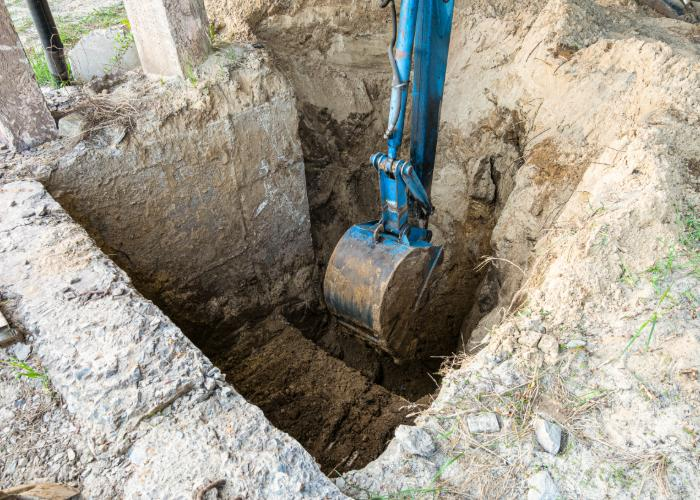
Dealing with a cracked, corroded, or root-invaded sewer line is one of the most frustrating challenges a property owner can face. Historically, repairing underground sewer pipes meant excavating deep trenches across finished driveways, mature landscaping, sidewalks, and interior concrete slabs. Today, cured-in-place pipe (CIPP) lining offers a non-invasive alternative that creates a brand-new, seamless structural pipe directly inside the damaged host pipe without heavy excavation.
When considering this modern rehabilitation method, property owners naturally ask: how long does trenchless pipe lining last?
Under optimal conditions and professional installation, cured-in-place trenchless pipe lining is engineered to last 50 years or longer. In laboratory stress tests, high-grade epoxy and silicate resins demonstrate lifespans exceeding a century. Understanding what determines this longevity will help you protect your underground plumbing infrastructure and make an informed repair decision.

Direct Answer: How Long Does Trenchless Pipe Lining Last?
Cured-in-place pipe lining (CIPP) has an average operational lifespan of 50 years. Because the finished epoxy liner forms a continuous, jointless, and smooth structural pipe within your existing sewer line, it eliminates the seams and microscopic gaps where tree roots and water leaks typically originate.
When manufactured and cured according to strict industry benchmarks, such as standard ASTM F1216 guidelines, the finished liner functions as a standalone, rigid pipe. Even if the outer clay, cast iron, or concrete host pipe eventually degrades completely, the structural liner maintains full flow capacity and integrity against ground pressure for decades.
Comparing the Longevity of Sewer Pipe Materials
To understand the long-term value of trenchless pipe restoration, compare the service life of standard sewer materials against modern CIPP epoxy lining:
| Pipe Material | Typical Lifespan | Primary Failure Causes | Trenchless Compatibility |
| CIPP Epoxy Pipe Lining | 50 – 100 Years | Improper curing or poor initial cleaning | Direct rehabilitation solution |
| Cast Iron | 30 – 50 Years | Rust channeling, scale buildup, bottom rot | Excellent candidate for relining |
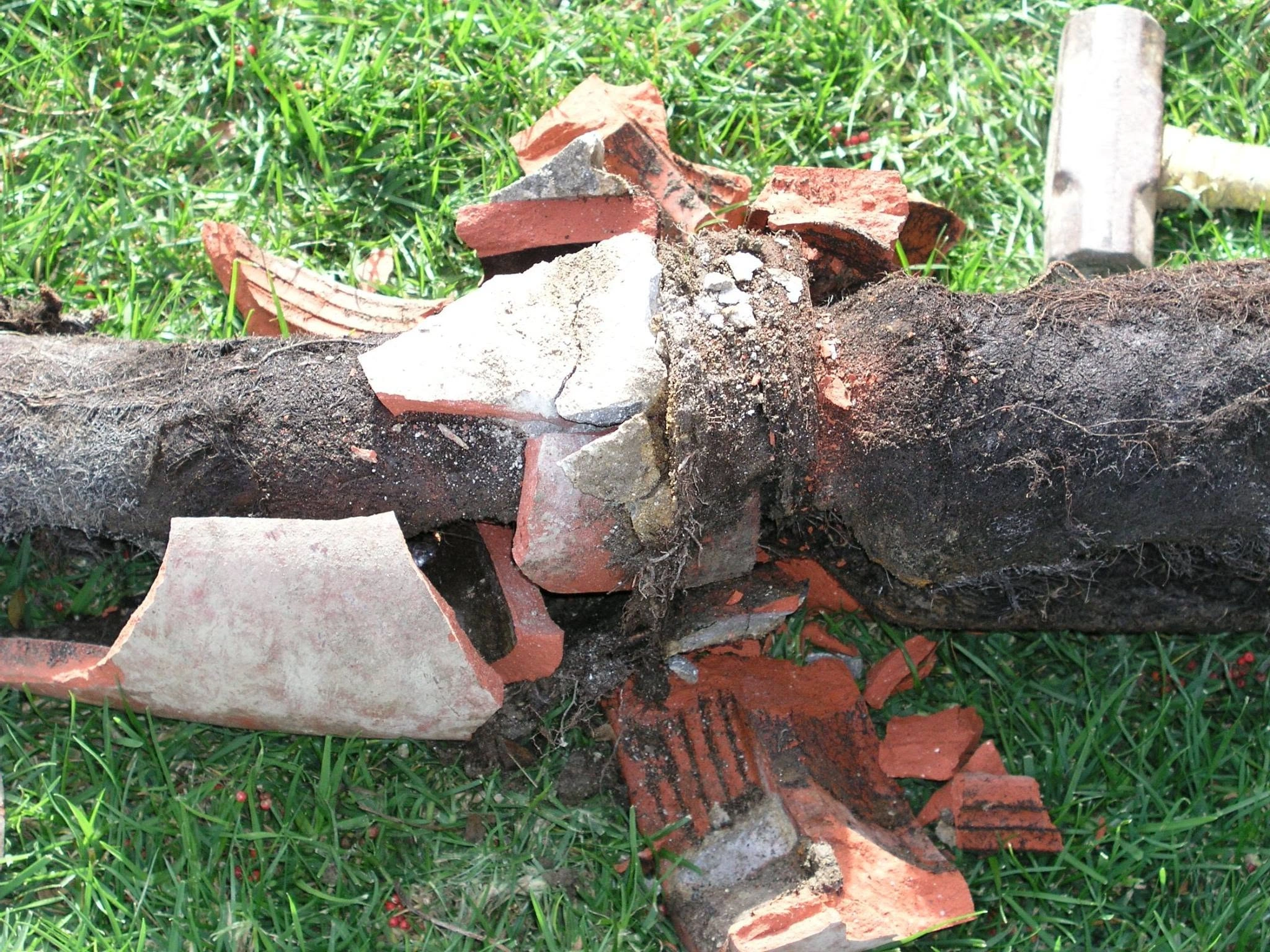
| Vitrified Clay | 50 – 60 Years | Root intrusion at open joints, shear cracks | Excellent candidate for relining |
| Orangeburg (Bituminized Fiber) | 20 – 30 Years | Delamination, ovality collapse, crushing | Pipe bursting or replacement preferred |
| PVC (Polyvinyl Chloride) | 50 – 100 Years | Joint displacement, ground shifting, punctures | Relining used for cracked sections |
4 Crucial Factors That Determine Pipe Lining Lifespan
While epoxy liners are built to withstand harsh underground conditions, specific environmental and technical factors influence whether a liner lasts 30 years or exceeds 75 years.
1. Precision Cleaning and Surface Preparation
The bond and structural stability of an epoxy sleeve depend on thorough pre-cleaning. Before pulling or inverting an epoxy-saturated felt tube into an underground pipe, technicians must remove rust scale, calcified deposits, grease buildup, and root intrusion. Using high-pressure hydro jetting alongside mechanical chain knockers restores the host pipe to its original diameter. If debris or loose scale remains, the liner may develop flat spots or fail to cure uniformly against the host pipe wall.
2. Resin Quality and Ambient Cure Control
Trenchless restorations use commercial-grade thermosetting resins, primarily epoxy, polyester, or vinyl ester formulas. Epoxy resins provide superior dimensional stability, minimal shrinkage during curing, and exceptional structural bonding strength. Technicians must precisely calculate resin-to-catalyst ratios and manage curing temperatures to prevent premature hardening or soft spots.
3. Structural Condition of the Host Pipe
CIPP lining is an effective rehabilitation method, but the host pipe must maintain basic structural alignment. If a clay pipe has settled into a severe belly (sag) or experienced total structural collapse, inserting a flexible liner will not correct the slope defect. In cases of complete collapse, pneumatic pipe bursting or localized point excavation is required before lining adjacent sections.
4. Ground Movement and Soil Shifting
Expansive clay soils expand dramatically when wet and contract when dry. This recurring movement places severe bending stress on underground utility lines. Because epoxy lining forms a single continuous tube with zero mechanical joints, it flexes under modest soil movement without snapping or separating at joints.
How the Trenchless Pipe Lining Process Works
Understanding how technicians install CIPP helps illustrate why these systems achieve such high durability ratings.
- High-Definition Video Camera Inspection: A specialized camera navigates the drain system to locate cracks, root intrusions, missing pipe bottoms, and structural shifts.
- Heavy-Duty Pipe Cleaning: Hydro jetters pump water at up to 4,000 PSI to scrub grease, tree roots, and sediment out of the line, followed by mechanical descalers that polish rough cast iron.
- Liner Inversion or Pull-In-Place: A flexible felt sleeve tailored to the pipe diameter is saturated with epoxy resin. The liner is pulled or inverted through an existing cleanout access point.
- Inflation and Curing: An internal calibration bladder inflates the liner firmly against the host pipe walls. The resin cures into a solid rock-hard composite over several hours, or within minutes using ultraviolet (UV) light technology.
- Reinstatement and Final Inspection: Technicians remove the bladder and run a camera through the relined line to verify full structural adhesion and smooth water flow.
Why CIPP Outlasts Traditional Spot Repairs
Traditional sewer repairs often rely on rubber sleeve couplings (such as Fernco fittings) to join new plastic sections to old cast iron or clay pipes. Over time, ground settling causes these connection points to shift, creating gaps where roots enter and water escapes.
Trenchless pipe lining eliminates failure points by creating a continuous interior pipe wall. Key long-term advantages include:
- Complete Root Proofing: Seamless liners lack joints, preventing roots from finding moisture pathways into your sewer system.
- Corrosion Resistance: Epoxy liners are impervious to hydrogen sulfide gas, sulfuric acid, household chemicals, and abrasive mineral deposits.
- Improved Hydraulic Flow: The smooth interior surface of epoxy reduces friction resistance, allowing wastewater and solids to move efficiently and reducing the risk of clogs.
- Preservation of Surface Assets: Restoring lines through existing access points avoids tearing up driveways, patios, foundation slabs, or landscaping, saving property owners thousands of dollars in restoration costs.
Property owners assessing utility upgrade strategies can review national pipeline safety initiatives through the U.S. Environmental Protection Agency (EPA) Wastewater Infrastructure Guidelines to see how modern trenchless engineering supports sustainable municipal and residential utility management.

How to Maximize the Lifespan of Your Lined Sewer Pipes
Once your line has been restored, straightforward maintenance practices will keep your sewer running smoothly for decades:
- Avoid Harsh Chemical Drain Cleaners: Caustic chemical cleaners generate intense heat that can degrade surrounding plumbing seals and offer zero long-term cleaning value.
- Schedule Preventative Hydro Jetting: Periodic maintenance flushes away accumulated cooking grease, soap residue, and foreign solids before they create dense obstructions.
- Keep Prohibited Items Out of Drains: Flush only human waste and toilet paper. Keep wet wipes, feminine products, paper towels, dental floss, and grease out of your plumbing system.
- Inspect After Severe Ground Shifts: If your property undergoes foundation repairs or significant seismic shifting, schedule a routine video camera inspection to confirm line grade and structural integrity.
When planning long-term infrastructure repairs, partnering with experienced professionals like SewerTV Hydro Jetting & Plumbing ensures precision camera diagnostics, thorough line preparation, and high-performance epoxy application that stands the test of time.
Summary: A Long-Term Investment in Your Property
Knowing how long does trenchless pipe lining last gives property owners confidence when choosing non-invasive sewer rehabilitation. With an expected service life of 50 to 100 years, resistance to root intrusion, and zero disruption to your landscape or slab foundation, trenchless pipe lining provides a permanent, cost-effective solution for aging sewer infrastructure.