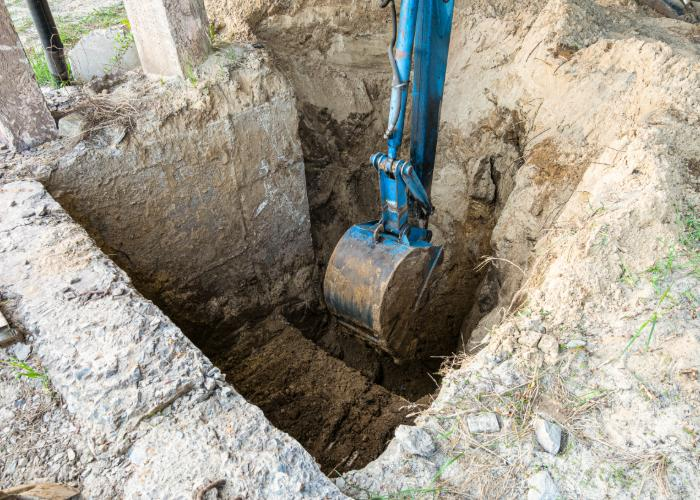
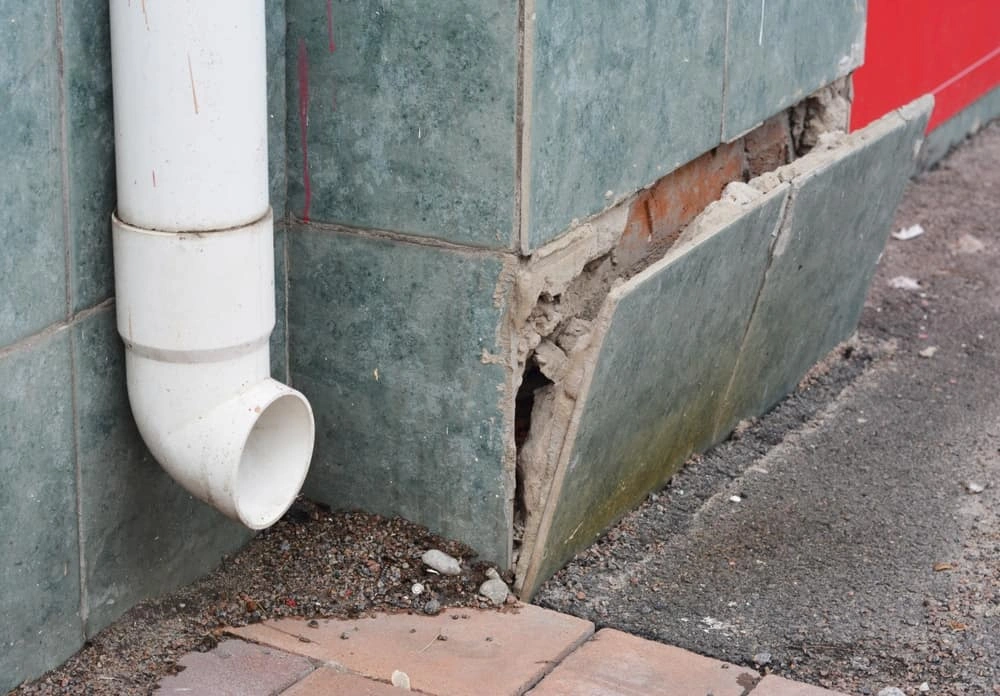
Real Warning Signs You Need Sewer Line Replacement in Texas
For property owners, underground plumbing infrastructure is out of sight and out of mind until something goes terribly wrong. While a localized drain clog in a kitchen sink can usually be cleared with a standard plunger, structural failures deep within your main lateral line require a completely different level of intervention. Ignoring hidden pipeline damage can lead to massive environmental hazards, structural foundation damage, and exorbitant repair bills.
Because underground pipes inevitably degrade over time, knowing how to distinguish a simple blockage from a catastrophic failure is crucial. If your home relies on aging infrastructure, identifying the definitive structural signs you need sewer line replacement can save you thousands of dollars in secondary property damage.
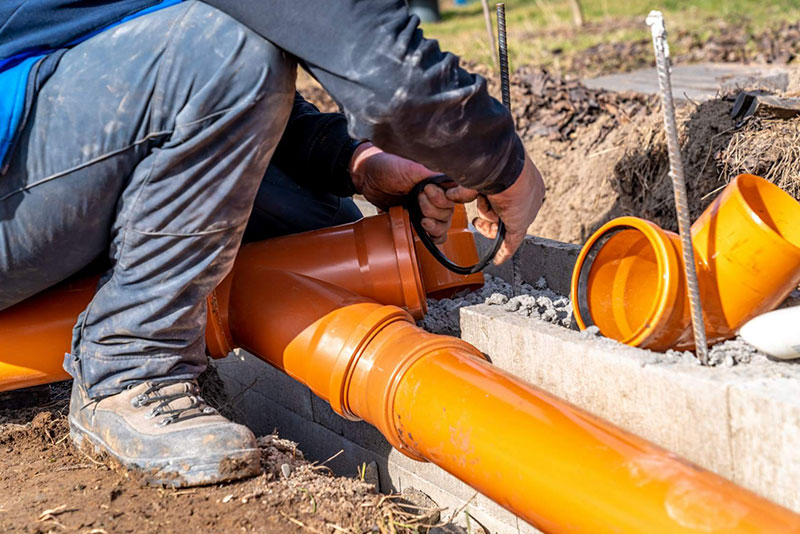
The Primary Signs of Subterranean Main Line Failure
When your main artery fails, your plumbing system sends clear signals. Understanding these structural and operational symptoms allows you to intervene before a complete pipeline collapse occurs.
1. Simultaneous, Multi-Fixture Backups and Gurgling
The clearest sign that your problem is located deep within your main line rather than a single branch line is widespread fixture failure. If you run your washing machine and wastewater immediately pushes up into your lower-level bathtub, or if flushing your master toilet causes the hall shower drain to bubble and gurgle, you are dealing with a compromised main sewer artery. When the primary line is crushed or blocked, wastewater has nowhere to go and seeks the lowest structural exit point in the house.
2. Chronic Clogs That Return Immediately After Snaking
Mechanical drain snaking or structural rodding is an excellent way to puncture a soft blockage like a clump of flushable wipes. However, if a professional plumber snakes your main line and the exact same system backup returns a few weeks later, a simple obstruction is not your issue. Frequent, recurring backups indicate a severe underlying structural problem such as a shifted pipe joint, a complete pipe belly (sagging section), or a total structural collapse that is catching debris continuously.
3. Persistent Sewage and Methane Odors
Sanitary drainage networks are engineered to be completely airtight, using a system of P-traps filled with water barriers to prevent sewer gas from entering your living space. If you notice a persistent, rotten-egg smell of methane inside your home or directly over your lawn, the plumbing infrastructure has lost its physical integrity. A cracked or broken underground pipe allows sewer gas to seep out into the surrounding soil, eventually escaping into the open air around your foundation.
Regional Environmental Factors Impacting Texas Homeowners
Underground pipelines do not exist in a vacuum; they interact constantly with the surrounding geology. Properties across the Lone Star State face specific environmental challenges that accelerate the degradation of main waste lines.
Expansive Clay Soil and Foundation Shifts
A massive portion of Texas particularly regions across North Texas and the Gulf Coast is sitting on highly expansive clay soil. This specific earth acts like a sponge, swelling dramatically during heavy rainstorms and shrinking during intense summer droughts.
This relentless shifting puts thousands of pounds of physical stress on buried pipes. Over time, this shifting soil shears older clay lines, cracks cast-iron joints, and creates deep pipe bellies where solid waste pools and hardens, often serving as one of the definitive structural signs you need sewer line replacement.
Aging Cast Iron and Invasives Tree Roots
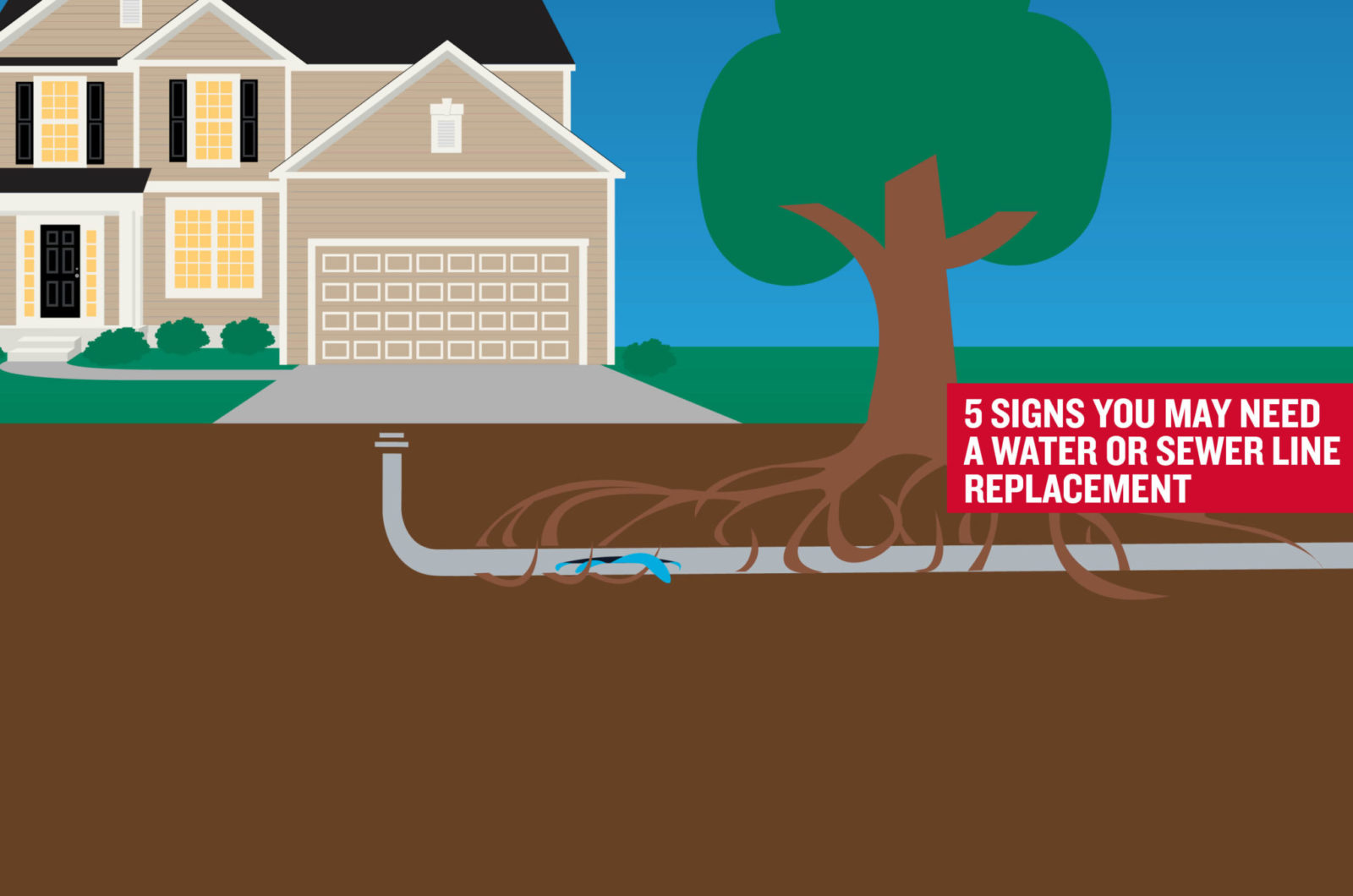
Many historic homes built across major Texas urban centers before the mid-1980s still utilize original cast-iron or vitrified clay lateral sewer lines. Cast-iron pipes have a predictable functional lifespan, eventually suffering from internal tuberculation (rust and scale buildup) that thins the pipe walls until the bottom completely disintegrates.
Furthermore, during hot Texas summers, subsurface tree roots aggressively hunt for moisture. They find it by expanding into the tiny weeping joints of older clay or cast-iron lines, bursting the pipes open as the roots mature.
Comparing Your Pipeline Resolution Options
Once diagnostics confirm your line is structurally compromised, you generally have to choose between two primary repair strategies: traditional open-trench replacement or modern no-dig rehabilitation.
| Operational Diagnostic Feature | Traditional Open-Trench Method | Advanced Trenchless Replacement |
| Excavation Requirement | Continuous, full-length trench | One or two small entry/exit pits |
| Impact on Landscaping | High (destroys lawns, driveways, patios) | Near Zero (preserves existing structures) |
| Structural Pipe Material | Segmented PVC with coupled joints | Seamless, continuous HDPE or Epoxy |
| Average Project Timeline | 3 to 5 business days | 1 to 2 business days max |
| Material Lifespan Rating | 50+ Years | 50 to 100 Years |
While open-trench digging can sometimes present a lower base plumbing quote for shallow lines in completely open fields, it forces you to spend thousands of additional dollars rebuilding your property afterward. Trenchless pipe bursting or epoxy lining resolves the root issue quickly while keeping your surface infrastructure intact.

Why Pre-Repair Video Diagnostics Are Vital
You should never allow a contractor to begin excavating your property based purely on guesswork. The only way to verify the exact health of an underground line is through direct visual confirmation.
Mandatory Diagnostic Step: A professional sewer camera inspection involves running a high-definition fiber-optic video line down through your cleanout. The live feed reveals precisely where the pipe is broken, whether tree roots have invaded the joints, or if the line has completely collapsed.
Using precision inspection services from local authorities like SewerTV Plumbing Inspections provides you with an objective, clear look at your system’s inner walls, ensuring you invest in the correct structural solution rather than an unnecessary full-scale excavation.