Sewer Line Camera Inspection Cost in San Antonio, TX Guide
A recurring drain backup or slow-draining sink often points to a subterranean wastewater issue. In South-Central Texas, where expansive black clay soils shift dramatically with wet and dry seasons, underground sewer lateral lines experience significant mechanical stress. Before committing to costly yard excavation or floor demolition, property owners must understand the true subterranean condition of their plumbing.
When property owners evaluate how much does sewer line camera inspection cost in San Antonio, TX, standard residential rates typically run between $150 and $450 for a standalone diagnostic scope. If combined with hydro jetting or mechanical drain clearing, some local contractors offer discounted inspection fees or package rates ranging from $250 to $700.
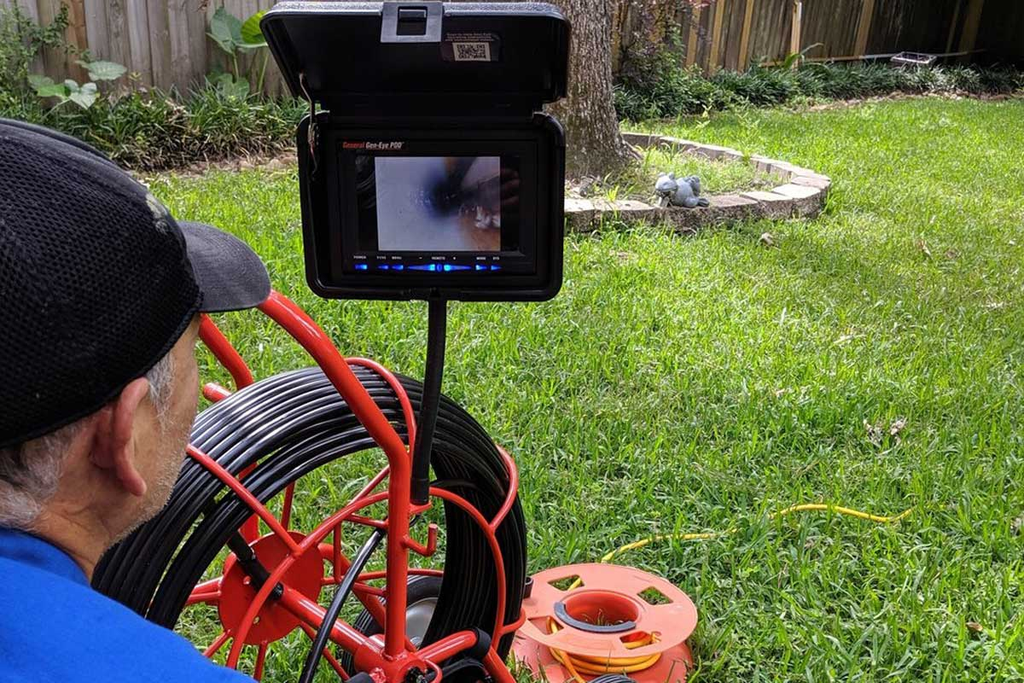
Investing in a video inspection provides real-time visual proof of your line’s interior condition, pinpointing the exact depth, location, and severity of hidden clogs, cracked pipes, or root invasions. This diagnostic step prevents unnecessary excavation and protects property foundations.
San Antonio Sewer Camera Inspection Pricing Overview
Plumbing configurations, access cleanouts, line length, and municipal tie-ins vary across Bexar County neighborhoods. The reference table below outlines standard pricing ranges and scope inclusions across greater San Antonio:
| Inspection Scenario | Typical Cost Range | What It Includes | Common Application |
| Standard Residential Cleanout Scope | $150 – $300 | High-definition camera run through ground-level cleanout, live feed, digital depth locating | Routine pre-purchase home inspections, periodic slow drains |
| Complex Access / Roof Vent Scope | $275 – $475 | Camera insertion via rooftop vent stacks or indoor toilet removal / reseating | Older historic homes without exterior cleanout access |
| Diagnostic Scope with Line Clearing | $350 – $650 | Pre-camera mechanical cabling or snaking to punch through standing water/waste | Active, overflowing sewage backups |
| Comprehensive Hydro Jetting & Camera Bundle | $500 – $950 | Full 360-degree pipe scrub followed by post-cleaning video proof and pipe mapping | Severe tree root intrusion, heavy grease, scale buildup |
| Commercial Lateral Inspection | $400 – $900+ | Extended run (100–300 ft), large-diameter pipe cameras, recorded USB/cloud audit | Commercial buildings, restaurants, multi-family properties |
Factors Influencing Local Sewer Inspection Costs
Determining how much does sewer line camera inspection cost in San Antonio, TX depends on several structural, geographic, and mechanical variables.
1. Existing Cleanout Accessibility
If your property features an accessible, ground-level dual-directional PVC cleanout in the front flowerbed, running a camera takes under an hour. However, older homes built across Monte Vista, Alamo Heights, and Woodlawn Lake frequently lack exterior cleanouts.
In these cases, a licensed plumber must either pull an indoor toilet to insert the camera through the closet flange or carry heavy fiber-optic push reels onto the roof to feed the lens down through a plumbing vent stack. Pulling and resetting a toilet requires fresh wax rings, closet bolts, and additional labor, which raises the final invoice by $100 to $200.
2. Presence of Standing Wastewater
Camera lenses rely on focused LED illumination arrays to display interior pipe conditions. If your sewer lateral is backed up with opaque standing sewage, paper, and grease, the camera lens will submerge, resulting in zero visibility.
When this happens, the plumber must first run a motorized drain snake or perform a basic clearing pass to drain the trapped fluid before the camera can inspect the line. This added clearing step adjusts the service cost beyond a standard standalone inspection.
3. Sonde Transmitter Pipe Locating
Advanced inspection cameras are equipped with a “sonde” an integrated radio transmitter built directly behind the camera head. As the technician pushes the push-rod through subterranean pipes, an assistant walks the ground above with a handheld digital receiver wand.
This locator tool measures the exact depth beneath grade (often 3 to 9 feet deep in local limestone layers) and paints the precise underground location of cracks, collapses, or bellied sections. Pinpoint mapping saves thousands of dollars by enabling targeted spot repairs instead of indiscriminate digging across driveways and landscaped lawns.
4. Soil Movement and Pipe Material
San Antonio’s expansive clay soils expand during wet weather and contract during droughts, placing uneven physical loads on underground pipe runs. Homes built prior to the late 1970s often feature cast iron or clay pipes, which are prone to channeling, rust scale, and shearing. Newer homes typically use PVC or ABS plastics. Older, degraded cast-iron lines often require longer, more delicate camera runs to navigate jagged interior rust formations safely.
What a Professional Video Inspection Reveals
Homeowners seeking clarity on how much does sewer line camera inspection cost in San Antonio, TX often discover that the inspection pays for itself by preventing misdiagnosed repairs. A modern inspection identifies several critical plumbing issues:
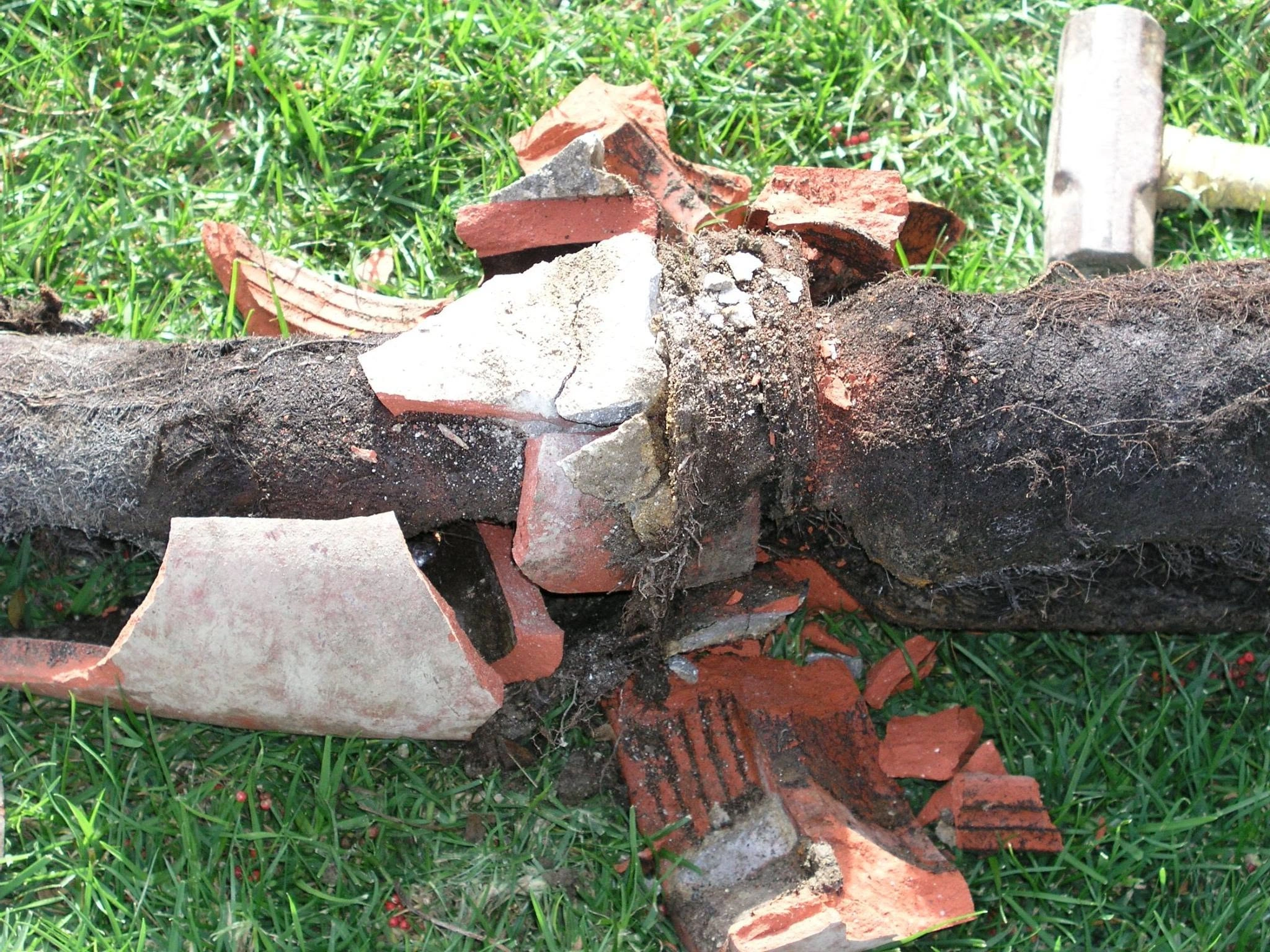
- Invasive Tree Root Intrusions: Mature Live Oak, Cedar Elm, and Pecan trees send fine feeder roots through pipe joints in search of moisture. Once inside, roots blossom into dense root masses that snag toilet paper and cause repeated line blockages.
- Pipe Bellies and Sags: When the soil shifts or settles beneath a sewer trench, sections of the pipe lose their downward grade, creating a low spot (belly). These dips collect standing water, sediment, and solids, creating chronic backups even without physical pipe breaks.
- Corrosion, Channeling, and Scale: Over several decades, hydrogen sulfide sewer gases dissolve the unlined crown of cast iron pipes, while trickling water carves channels into the pipe invert (bottom). A camera reveals whether a pipe retains structural integrity or has worn through to bare soil.
- Cracked, Offset, or Collapsed Joints: Ground shifting can snap rigid pipes or pull joints out of alignment. Wastewater then escapes into surrounding soil, eroding the support beneath foundations and driveways.
When to Schedule a Sewer Camera Inspection
Sewer camera inspections provide significant value across three main scenarios:
Recurrent Drain Backups
If multiple fixtures such as a ground-floor shower, bathtub, and toilet back up simultaneously, the issue lies in the main sewer lateral rather than an isolated fixture trap. If your line backs up again within weeks of being cleared, an inspection will reveal whether you are dealing with a simple clog or permanent structural damage.
Pre-Purchase Real Estate Due Diligence
Standard home inspectors check functional flow by running faucets and flushing toilets, but they do not run fiber-optic cameras down the sewer lateral.
Discovering a collapsed sewer pipe beneath a concrete slab after closing can saddle the buyer with an unexpected repair bill exceeding $10,000. Paying for an independent camera inspection during the option period provides objective evidence to negotiate repair credits or price concessions before closing.
Foundation Shifts and Cracks
A cracked subterranean pipe leaks moisture into the surrounding clay soil, causing it to swell and exert upward pressure against concrete grade beams. Conversely, continuous soil erosion from water leaks can leave foundation sections unsupported. Inspecting lines before and after foundation repair ensures sewer lines remain intact throughout the leveling process.
For structural and utility code requirements in Bexar County, the City of San Antonio Development Services Department maintains comprehensive municipal plumbing ordinances, permitting standards, and civil inspection guidelines to safeguard local residential infrastructure.
Why Choose a Licensed Local Specialist
When assessing how much does sewer line camera inspection cost in San Antonio, TX, prioritizing transparent upfront pricing over cut-rate promotional offers protects your investment. Unusually low inspection rates can serve as lead generators for high-pressure sales pitches recommending immediate, unnecessary trench excavations.
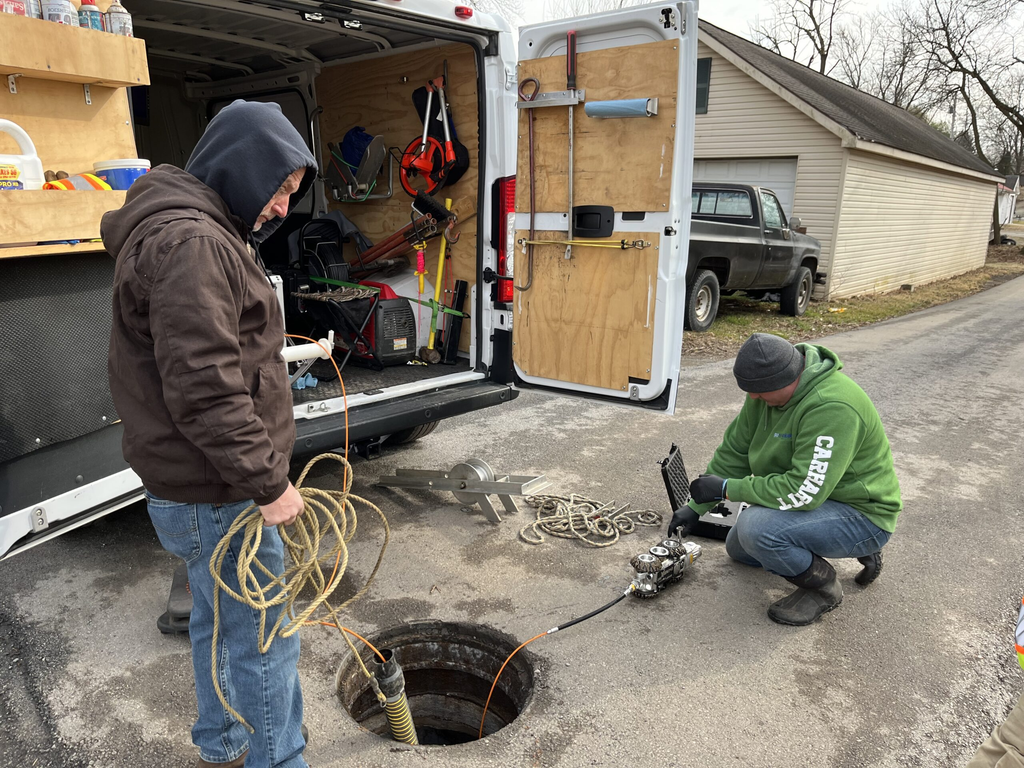
Working with an established, master-licensed plumbing company ensures accurate diagnostics and professional accountability. The team at SewerTV Sewer Camera Inspection & Repair Services provides transparent diagnostics using fiber-optic cameras, digital depth-locating wands, and detailed video reviews. Technicians show property owners the live camera feed in real time, explaining the pipe’s condition, discussing rehabilitation options like trenchless cured-in-place pipe (CIPP) lining, and providing an unedited copy of the inspection footage.
Questions to Ask Before Booking an Inspection
To ensure you get an accurate diagnostic assessment, ask local plumbing providers the following questions:
- Does the quoted fee include locating and depth mapping? Confirm that the technician will mark the pipe’s physical path and depth on the surface rather than simply watching the screen.
- Will I receive a copy of the video footage? Professional diagnostics include providing the customer with a digital video file, cloud download link, or USB recording of the entire camera run.
- What happens if the line is blocked with standing waste? Clarify whether the company offers upfront pricing packages to clear the line before running the camera.
- Is the technician licensed with the Texas State Board of Plumbing Examiners? Ensure the work is performed under a valid Master Plumber license to guarantee compliance with state codes and consumer safety standards.
A clear understanding of local inspection costs, regional soil challenges, and diagnostic standards allows you to protect your home’s drainage infrastructure and select the right long-term repair approach.