Foundation Settling Plumbing Problems in San Antonio: Diagnostic & Repair Guide
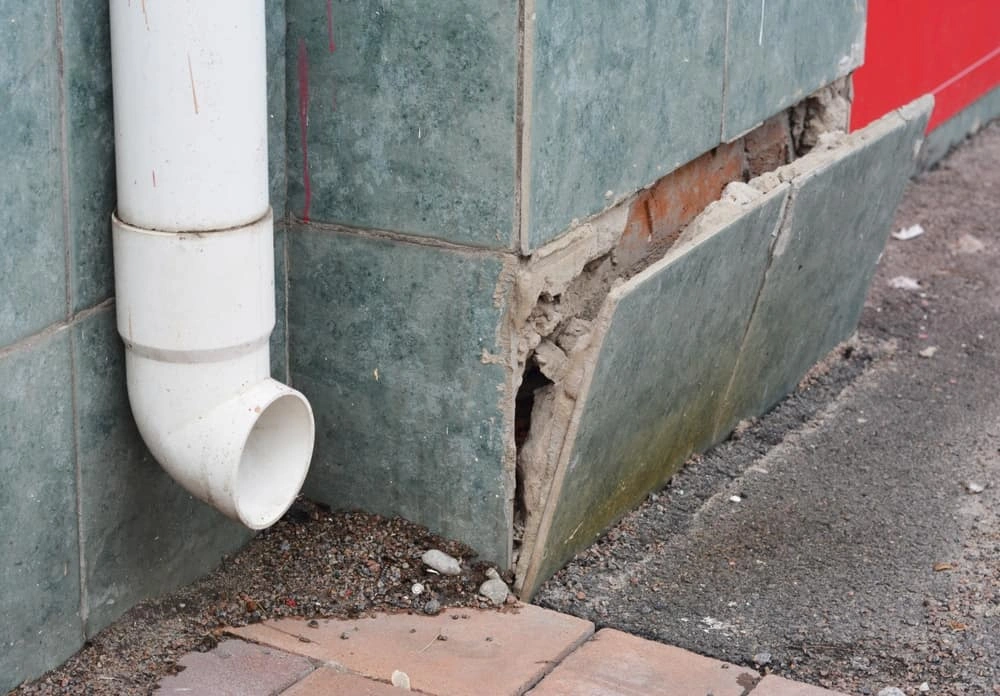
San Antonio property owners face unique structural challenges created by South Central Texas geology. The region sits over highly active, expansive clay soil formations that expand when saturated by torrential rain and contract during severe summer droughts. This constant ground movement places immense physical stress on concrete slab foundations and the underground drainage infrastructure cast directly beneath them.
When soils shift unevenly, homeowners frequently face foundation settling plumbing problems San Antonio properties develop over time. Understanding the direct connection between foundation movement and subsurface pipe failure is critical for preserving structural integrity, preventing catastrophic water damage, and avoiding costly slab excavations.
Why San Antonio Expansive Clay Soils Threaten Plumbing Systems
The majority of Bexar County is blanketed by high-plasticity clay soils, commonly referred to as Houston Black or Eagle Ford clay. According to geotechnical soil surveys published by the United States Geological Survey (USGS), high-plasticity smectite clays possess some of the highest shrink-swell potentials in North America, expanding by up to 20 percent or more in total volume when exposed to moisture.
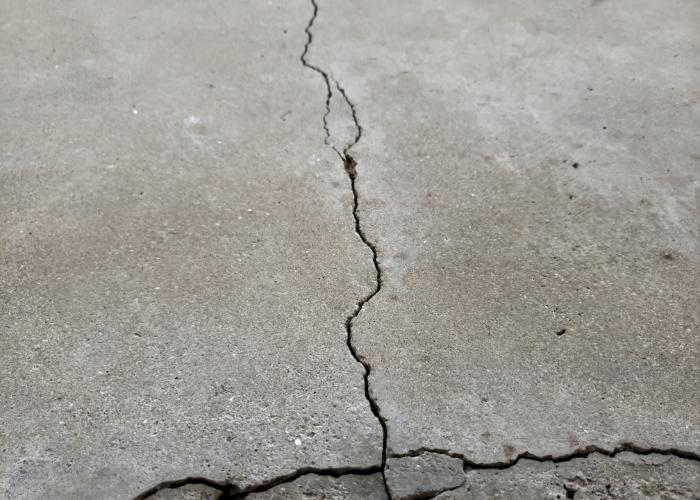
When ground moisture changes unevenly across a property, differential settlement occurs. One section of the foundation drops while another remains stable or heaves upward.
Because residential plumbing lines are embedded in or routed directly beneath concrete slabs, the pipes must bend with the foundation. Rigid materials like vintage cast iron, vitrified clay, and standard Schedule 40 PVC lack the elasticity to withstand thousands of pounds of concentrated vertical shear, resulting in cracked lateral lines and severed fittings.
How Foundation Settling Directly Damages Under-Slab Plumbing
Foundation movement attacks subsurface plumbing in multiple ways. The specific type of pipe failure typically depends on the age of the home, the pipe material, and the direction of the ground shift.
1. Shear Cracks and Complete Line Breaks
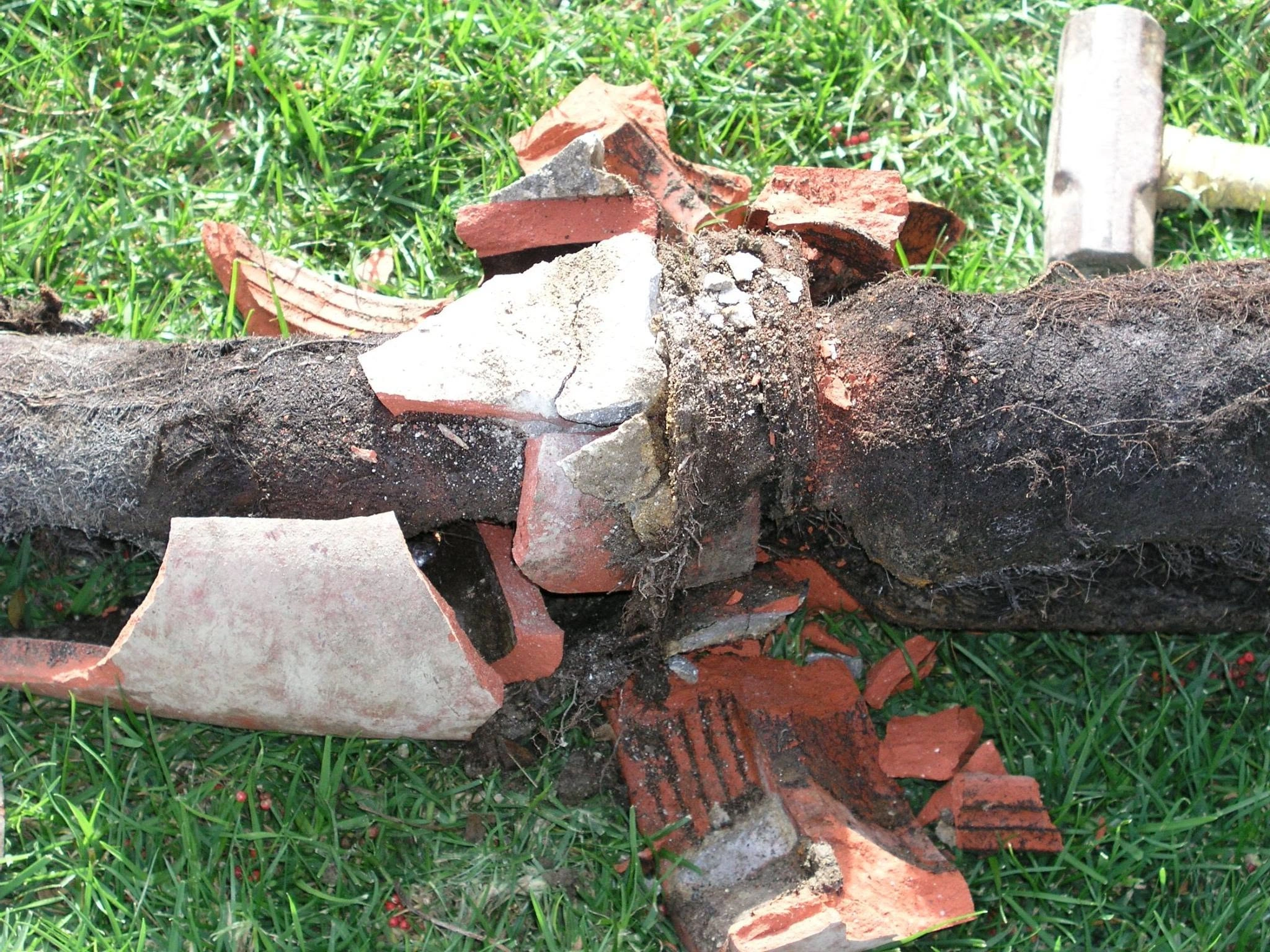
When a portion of a concrete footing drops, it acts like a guillotine against horizontal drain lines running through the exterior beam. The concentrated downward force fractures the pipe completely, allowing wastewater to dump directly into the surrounding soil.
2. Joint Separation and Telescoping
Pipes are installed in linked sections connected by mechanical couplings, solvent welds, or hub gaskets. When soil shrinks and moves laterally during prolonged dry spells, pipe runs pull apart. Separated joints allow sewer water to escape and invite aggressive tree roots to invade the line.
3. Creation of Pipe Sags (Bellies)
Uniform slope is mandatory for sewer lines to transport solids via gravity. When soil settles beneath a central section of a drain line, the pipe sinks into a localized dip. This belly holds standing water, catching toilet paper and solids until a complete line obstruction occurs.
Primary Warning Signs of Foundation Settling and Plumbing Failures
Property owners must monitor subtle warning signs to catch underground leaks before structural damage escalates.
| Symptom Category | Observable Property Indicator | Underlying Plumbing / Structural Cause |
| Structural Indicators | Diagonal cracks in drywall above doorframes | Differential foundation settlement |
| Foundation Indicators | Separation of exterior brick veneer or mortar | Slab corner drop from soil movement |
| Drainage Indicators | Recurring backups across multiple bathroom fixtures | Collapsed pipe or deep belly under slab |
| Environmental Indicators | Warm spots on slab floors or damp flooring | Pressurized hot water copper line rupture |
| Auditory Indicators | Sound of rushing water when all fixtures are off | Active under-slab water line leak |
| Olfactory Indicators | Persistent sewer gas odors inside or near perimeter | Separated sewer vent or drain joint break |
The Cause-and-Effect Dilemma: Did the Foundation or the Pipe Break First?
One of the most complex aspects of resolving foundation settling plumbing problems San Antonio homeowners encounter is determining which failure initiated the damage:
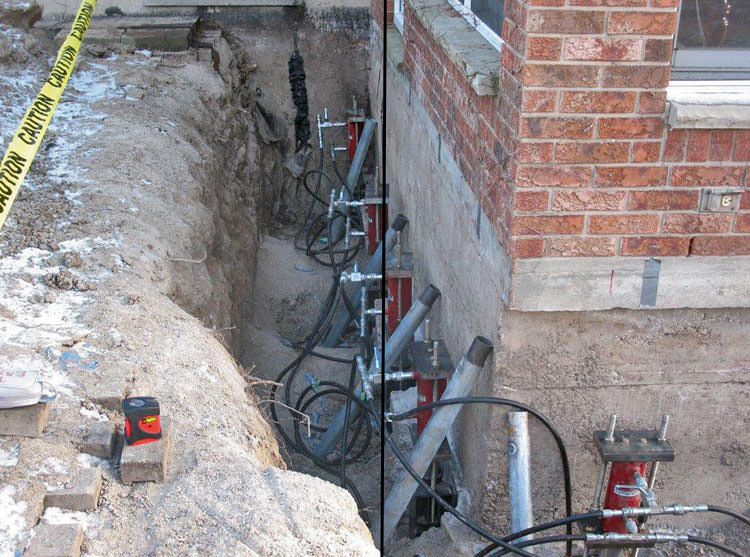
Regardless of which issue occurred first, foundation repair and plumbing restoration must be coordinated together. Lifting a settled foundation with hydraulic piers without inspecting the plumbing will often snap rigid pipes that were previously intact.
Conversely, repairing a cracked sewer pipe without stabilizing a moving foundation guarantees that the newly installed pipe will break again during the next seasonal soil shift.
Advanced Diagnostic Methods for Under-Slab Plumbing Systems
Accurately diagnosing underground breaks requires precision testing equipment that eliminates guesswork and prevents unnecessary destruction to interior floors.
- Hydrostatic Pressure Testing: Technicians insert an inflatable test ball into the main sewer cleanout to plug the system at the foundation perimeter. The system is filled with water to slab level. If the water level drops, an active leak is confirmed.
- High-Definition Sewer Camera Scans: Specialized self-leveling fiber-optic cameras travel through the interior lines, providing high-resolution video of pipe walls, scale accumulation, joint separation, and structural cracks.
- Electromagnetic Sonde Tracking: Cameras equipped with 512 Hz radio transmitters broadcast signals through concrete slabs. Locators on the surface map the exact depth, line direction, and physical location of damaged sections within inches.
- Sectional Isolation Testing: By inflating test balls at different branch junctions throughout the house, technicians test individual bathroom groups independently to pinpoint the precise location of hidden slab leaks.
Non-Invasive Repair Solutions: Trenchless vs. Traditional Excavation
Historically, repairing a broken sewer pipe beneath a slab meant jackhammering through tile, hardwood flooring, and concrete beams, creating massive dust and requiring weeks of costly homeowner relocation. Modern non-invasive technologies provide superior alternatives.
| Comparison Metric | Traditional Slab Jackhammering | Non-Invasive Trenchless Pipe Lining |
| Interior Disruption | High (demolishes flooring and concrete) | Zero (works via exterior cleanouts) |
| Project Timeline | 1 to 2 weeks of construction | 1 to 2 days total completion |
| Structural Impact | Weakens foundation slab integrity | Fully preserves slab structure |
| Material Lifespan | 30 to 50 years (standard PVC/Cast) | 50 to 100 years (structural epoxy) |
| Root and Joint Resistance | Mechanical joints remain vulnerable | 100% seamless, jointless monolithic pipe |
| Restoration Expenses | High (flooring, drywall, and cleanup) | Minimal to none |
Cured-in-Place Pipe (CIPP) Lining
CIPP lining inserts an epoxy-saturated felt sleeve directly through existing cleanouts into the damaged host pipe. An internal calibration bladder inflates the sleeve against the pipe walls. Once cured, the resin forms a continuous, jointless, glass-smooth pipe within the old line. This structural liner bridges cracks, seals broken joints, and flexes slightly with future soil movement without shearing.
Pneumatic Pipe Bursting
For pipes that have suffered severe structural collapse or diameter reduction, pipe bursting pulls a heavy-duty expanding head through the old line. The head breaks the brittle host pipe outward into the surrounding soil while instantly pulling a continuous run of seamless High-Density Polyethylene (HDPE) pipe into place. HDPE pipe features fused joints that resist root intrusion and ground shifts.
Property owners facing severe under-slab breaks or foundation-related pipe failures can partner with experienced master plumbing specialists like SewerTV Hydro Jetting and Plumbing for precision camera diagnostics, static pressure testing, and non-invasive trenchless restoration across the greater San Antonio area.
Preventative Steps to Protect Plumbing from Shifting Foundations
While homeowners cannot change the natural soil geology of Bexar County, proactive moisture management significantly reduces ground movement around structural foundations:
- Maintain Consistent Soil Moisture: Install a dedicated foundation soaker hose system around the perimeter of the home. Maintaining uniform moisture levels during hot, dry summer months prevents clay soil from shrinking and pulling away from concrete footings.
- Direct Roof Runoff Away from Foundations: Ensure all gutter downspouts discharge water at least 5 to 10 feet away from the slab edge. Concentrated water pooling at one corner causes localized soil swelling and differential foundation heave.
- Perform Pre- and Post-Foundation Repair Plumbing Tests: If you schedule foundation leveling or pier installation, always mandate a hydrostatic sewer test before and after the lift to verify that movement has not broken concealed pipes.
- Avoid Planting Thirsty Trees Near Utilities: Keep large trees with aggressive root systems, such as live oaks and willows, away from the foundation perimeter and sewer utility corridors.
Summary: Protecting Your Home From Subsurface Failures
Addressing foundation settling plumbing problems San Antonio properties experience requires an integrated approach that respects local soil mechanics and modern pipeline engineering. By identifying the warning signs early, conducting thorough camera diagnostics, and utilizing structural trenchless pipe lining, you can permanently protect both your plumbing infrastructure and your home’s structural foundation.