How Much Does Trenchless Sewer Repair Cost in Texas? (2026 Guide)
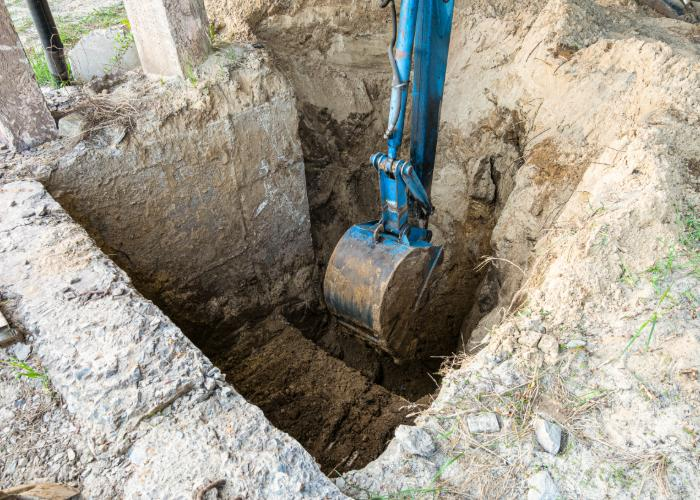
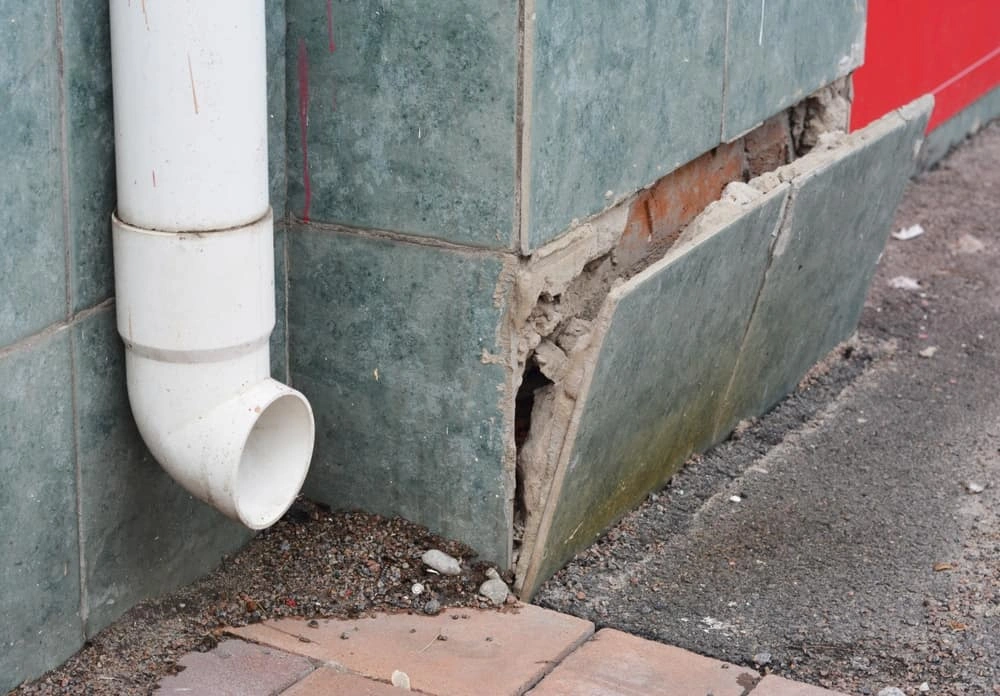
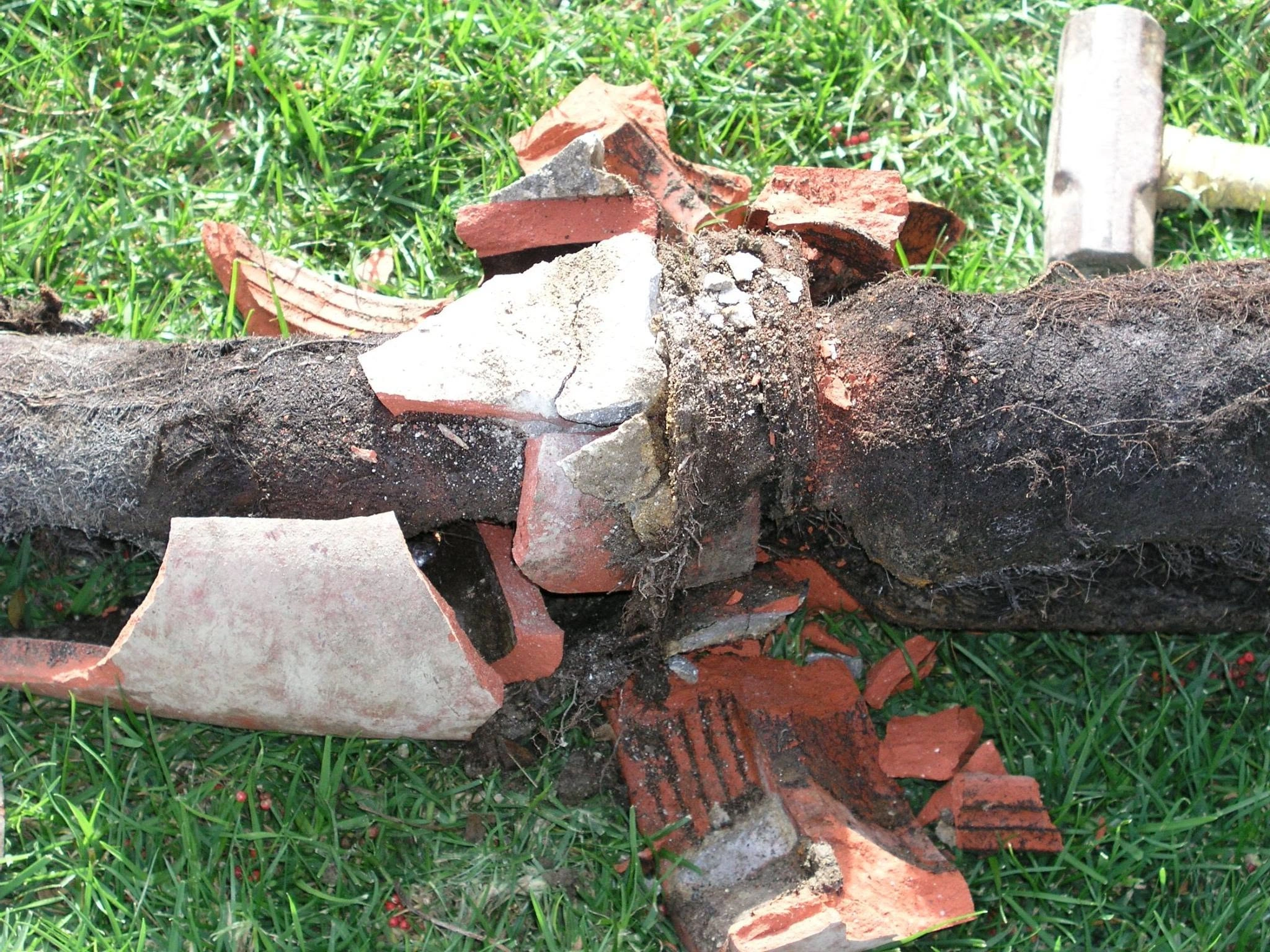
Discovering a cracked, leaking sewer line or one choked by aggressive tree roots is a stressful moment for any property owner. Traditionally, fixing a subterranean pipe meant bringing heavy machinery into your yard, digging a massive trench across your lawn, and cutting through your walkways or driveways.
Fortunately, modern plumbing technology offers a non-invasive alternative that preserves your landscaping: trenchless sewer repair.
If you are facing structural pipe failure, your immediate financial question is practical: how much does trenchless sewer repair cost here in the Lone Star State?
On average, homeowners across Texas pay between $4,000 and $12,000 for professional trenchless sewer line rehabilitation. While the initial investment might appear slightly higher than traditional digging on a basic per-foot basis, skipping the massive surface destruction saves you thousands of dollars on subsequent property restoration.
2026 Trenchless Sewer Repair Cost Summary
To give you an immediate, clear overview of the market, the structural data below breaks down the typical expenses associated with no-dig plumbing methods across major Texas metropolitan areas.
Typical Cost Estimates by Method
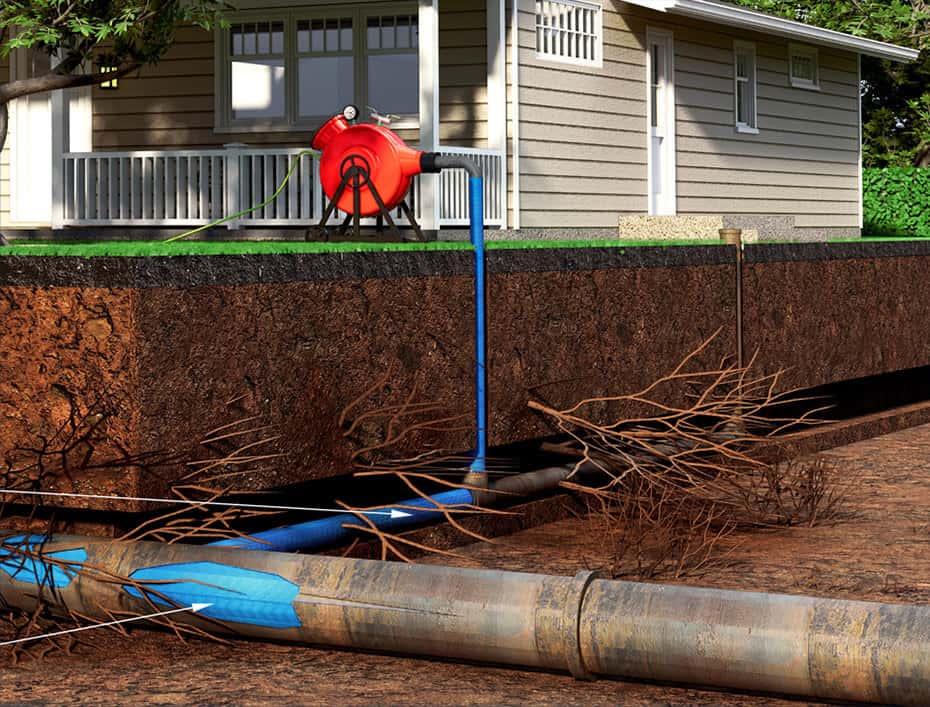
- Cured-in-Place Pipe (CIPP) Lining: This approach fixes your system by pulling an epoxy-saturated sleeve inside your broken pipe, inflating it, and curing it into a rock-solid inner shell. For a standard residential project, this service ranges from $4,000 to $10,000, or roughly $90 to $250 per linear foot.
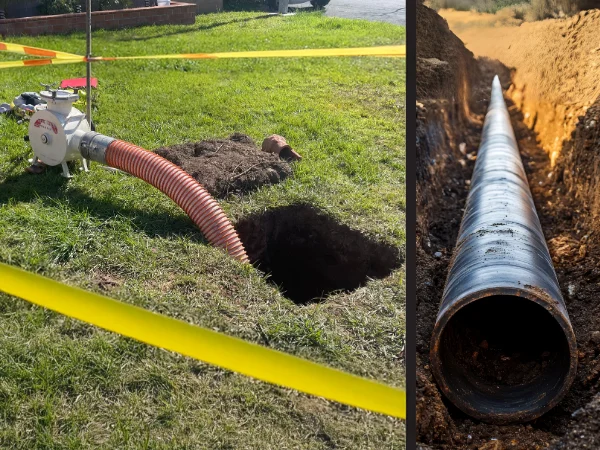
- Pipe Bursting: This method is ideal when a pipe is too structurally damaged to line. A mechanical splitting head breaks apart your old, brittle clay or cast-iron line while pulling a seamless, brand-new high-density polyethylene (HDPE) pipe directly behind it. Texas homeowners typically pay $5,000 to $12,000 for pipe bursting, averaging $60 to $200 per linear foot.
Core Factors That Determine the Cost of No-Dig Repairs
Plumbing estimates are not one-size-fits-all, especially given the diverse geology and construction styles found throughout Texas. Several technical variables dictate where your final invoice will fall within the standard market ranges.
1. Overall Pipe Length and Structural Diameter
Because the raw materials specifically the specialized epoxy resins and heavy-duty HDPE pipes are priced by volume, the total length of your plumbing run is a major variable. Most single-family residential lateral lines span between 30 and 80 feet from the building foundation to the municipal main connection at the street. A shorter 30-foot run keeps material overhead low, whereas an expansive 100-foot main line requires significantly more raw resources and specialized curing time.
2. Depth and Access Points
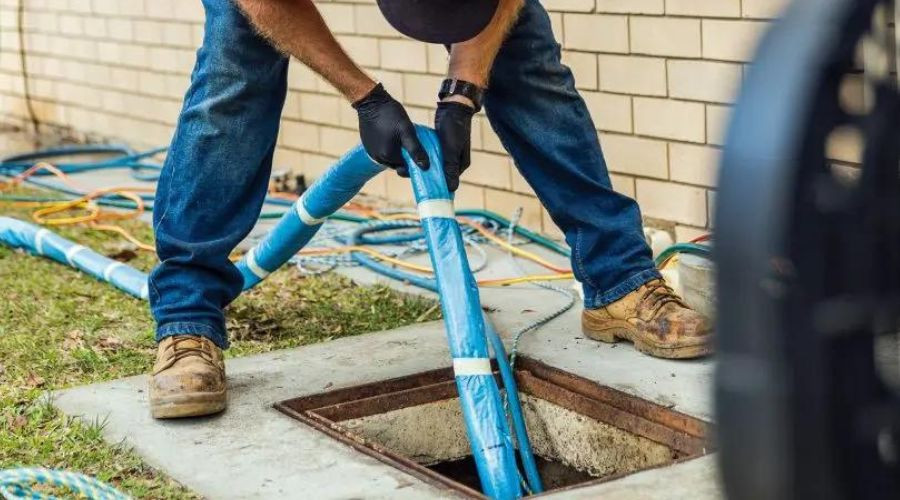
Trenchless plumbing is frequently called “no-dig,” but it actually requires minimal, localized digging. Technicians must create small access pits at the entry and exit points of the sewer line to insert the lining bladders or pulling cables.
If your sewer lateral sits deep beneath the surface which is highly common in historic Texas neighborhoods or properties with steep slopes excavating those small access pits safely requires additional labor, shoring equipment, and time. This extra physical preparation can add $1,500 to $3,500 to the baseline operational expense.
3. Cleaning, Descaling, and Preparation Work
An epoxy liner cannot successfully adhere to a pipe surface coated in thick layers of grease, scale, or loose debris. Before a crew can install a liner or pull a bursting head, they must completely restore the existing infrastructure to its original diameter.
Plumbers achieve this through heavy-duty mechanical descaling and high-pressure water jetting. If your lines have intense, structural root blockages or severe cast-iron scaling, the extensive preparation work can add several hours of labor to the invoice.
4. Regional Soil Behaviors and Local Permits
Soil conditions vary drastically across Texas, which directly influences equipment choices and labor timelines. For example, the shifting expansive clay soils prominent across Houston and North Dallas exert immense structural pressure on underground pipelines, often leading to sheared or offset joints.
Furthermore, municipal municipal permits and mandatory third-party inspection fees vary by city. Acquiring the necessary plumbing permits and right-of-way permissions to work near city streets usually adds $400 to $1,600 to a project’s total cost.
The True Financial Comparison: Trenchless vs. Traditional
When evaluating how much does trenchless sewer repair cost, looking solely at the plumber’s initial estimate can be misleading. Traditional open-trench excavation often looks less expensive at first glance, but it carries heavy secondary costs that are frequently left off the initial quote.
| Project Component | Traditional Open-Trench Excavation | Advanced Trenchless Methods |
| Plumbing & Installation | $3,000 – $10,000 | $4,000 – $12,000 |
| Access Points Needed | Full-length continuous trench | 1 or 2 localized access pits |
| Landscaping & Lawn Restoration | $2,000 – $5,000+ | Near Zero ($200 – $500 typical) |
| Concrete, Driveway, or Patio Repair | $1,500 – $4,000+ | Avoided completely in most setups |
| Project Completion Time | 3 to 5 business days | 1 to 2 business days max |
When you factor in the extensive cost of replacing destroyed concrete driveways, rebuilding complex landscaping features, and repairing torn-up sod, choosing a trenchless solution regularly saves property owners 30% to 50% overall on their total out-of-pocket project expenses.
Why Professional Diagnostics Are Crucial
You cannot guess your way to an accurate trenchless repair plan. A proper resolution requires clear, indisputable visual evidence from inside the plumbing system.
Diagnostic Requirement: A high-definition sewer camera inspection is mandatory to confirm if your pipe is a viable candidate for lining. If an underground line has completely collapsed or lost more than 60% of its original structural profile, an epoxy liner cannot expand properly, meaning pipe bursting or strategic spot repairs are required instead.
Utilizing expert resources like SewerTV Plumbing Diagnostics ensures your underground infrastructure receives an accurate video analysis, allowing you to choose the most cost-effective path forward without paying for unnecessary full-scale excavations.